

Stop Blaming Polyester
Why the fabric we love to hate might actually be doing its job better than you think.

The topic of sustainable fashion is often that of ambiguity. These days I feel like people don’t do well with ambiguity: social media has turned fashion a mindless scroll where short one-liners get our attention and stick in our brains more than reading a longer case study and attempting to understand nuance and context. (In short, the reason why I started this Substack!)
One of those overly simplistic one-liners?
Polyester is bad.
The argument is that polyester is a synthetic, plastic-derived fabric that won’t biodegrade. And sure, that’s not wrong. It’s a quick, digestible point that plays into our collective guilt about plastic consumption. But it’s also exactly that: quick and oversimplified.
It’s much easier to rally people around “polyester is bad” than to explain that not all polyester is the same. There are different grades, weights, blends, and constructions…just like how cotton and linen can vary drastically in quality. “Natural” doesn’t automatically mean “better.”
The biggest myth we have been sold is that ALL polyester = bad. ALL cotton = good.
To me, what’s less sustainable than polyester is buying any garment that doesn’t work for your lifestyle. If you never wear it, it doesn’t matter what it’s made of. In that sense, polyester you actually use is more sustainable than “good” cotton that sits in your wardrobe.
In sustainable fashion, what’s considered “more” or “less” sustainable often comes down to personal values and context. Which is exactly the point! We need to be making informed decisions, not following one-liners hoping to revolutionize how we shop. We need to understand fabric in the context of the item and how we intend to wear it.
I’ve seen so many wardrobes filled with only cotton dresses because clients were told that cotton is superior. But they only end up wear one or two. Meanwhile, they have nothing to wear that’s appropriate to the office. This isn’t sustainability, it’s just misinformed consumption, repackaged.
(And have we lost our ability to understand nuance altogether? A conversation for another day.)
For now, let’s talk about polyester.
I recently asked my Instagram followers what questions they had about polyester, and I was not surprised to get a few DM’s asking about price.
Why are some polyester pieces still $300+?!
Here’s the thing:
Fabric content is not the sole indicator of quality!
Polyester comes in different weights, weaves, and finishes. And yes, it can be luxurious. And then there’s design. You can’t ignore the design, cut, fit, or finish of a garment just because it’s made of polyester.
I often give the analogy of polyester to meat. Meat has different forms: be it animal, part of said animal, preparation of said animal or kosher-ness. That doesn’t even include how its processed. Is it ground? Is it in sausage form? Is it the egg from said animal? Then factor in how you cook it, and the wide variety of options there! So to say “I don’t eat meat” — requires context in the same way that “this garment is polyester” requires.
Plenty of contemporary and high-end designers use polyester. That’s the reality and it’s easier to hate on them and say that it isn’t '“quality” by simply reading the fabric content, but trust me when I say it is not the same as Shein.
I think many people can’t justify polyester at luxury prices because they have not felt anything other than Zara quality or design. But what they are not factoring into the cost is the design, the construction, the manufacturing that goes into making and selling a garment. The fabric is just one minor factor, and not the entire reason for price.
Obilitory pricing comment: if you can’t justify prices of clothes because you are using Shein as a baseline — your concept of what clothes should cost in 2025 is warped.
Another great point someone brought up: that “real thrifters” only go for natural fibers like cotton, linen, wool, cashmere. And honestly? If that works for you, great. But let’s not pretend that all polyester is inferior. I’ve thrifted all my life, and I never judge by fiber content alone. I look at the garment, the design, the feel. Avoiding polyester altogether isn’t the flex you think it is, it’s just yet another one-liner that’s an easier attention-getter.
And because it’s hard to explain all of this in just words, I’m going to show you.
Next, I’ll walk you through a few beautiful, real-life polyester pieces my clients own and love. Yes, even the ones with a “higher” price tag, and explain why the fact that they’re polyester is actually a benefit.
Let’s dive in.
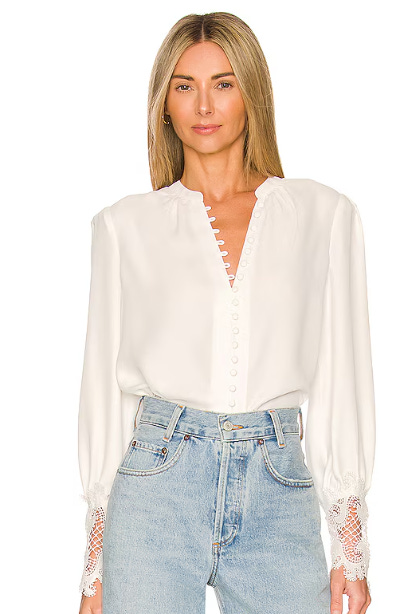
I think I’d need three extra sets of hands to count how many times we’ve sold this blouse to clients. At $385 SGD, she’s certainly not cheap, but almost every client is surprised to learn it’s polyester.
It drapes like a luxurious, heavier silk, but here’s the best part: It has the durability of poly.
Spill coffee on it? Scrub it down with stain remover. Need a wash? Toss it in the machine on cold and hang it to dry. Packing for a work trip? Roll it up in your suitcase and give it a quick steam at the hotel.
Durability is one of polyester’s most underrated strengths.
If you know you’re not the type to hand-wash or dry-clean a delicate silk blouse (that probably costs just as much), why not choose something that does the same job and actually works for your life?
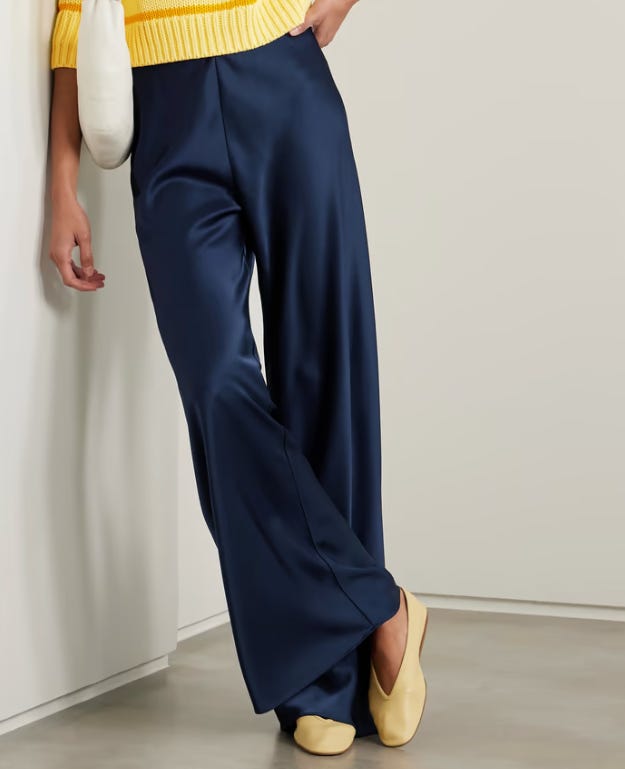
This pant is made from 80% acetate, 20% polyester. Acetate is a man-made fabric, so not petroleum-based like polyester, but still synthetic and not as biodegradable as cotton. So in sustainable fashion circles, it doesn’t always get the best rep.
But here’s the thing: this pant uses that acetate intentionally, for its sheen.
Imagine this same cut done in cotton or linen. It would look like a glorified pajama pant and something you'd only wear at home or maybe to the beach. But in this fabric? It gives you that off-duty model vibe. It actually feels like luxury.
You simply can’t recreate this look or feel with natural fibers. And that’s where I always come back to the bigger question:
Do we need natural fibers for a pant design like this? If the intention is to add versatility?
To wear to work, to travel, to casual dinners?
As one client recently told me:
“These are my favorite item from our Reoutfit.”
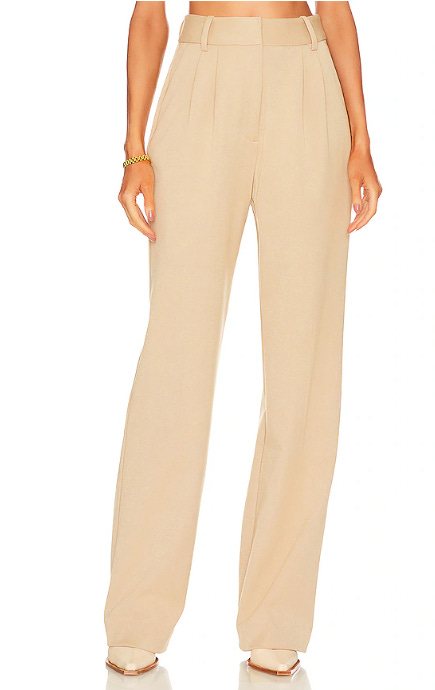
At just around $300 SGD, this pant has earned its place in countless wardrobes. The price-per-wear? Practically unbeatable.
It’s a favorite among skeptics, including my own assistant, who was baffled by how often I recommended it… until she saw it in person and finally understood.
Yes, it’s 100% polyester but don’t let that fool you. This fabric isn’t thin, cheap, or “flat” like the polyester you’re picturing. It’s dense enough to drape beautifully, pulling down the pleats in just the right way, and it mimics the look of traditional wool suiting without the weight or heat.
Sweat in it? No problem.
Cold wash, hang dry, quick steam.
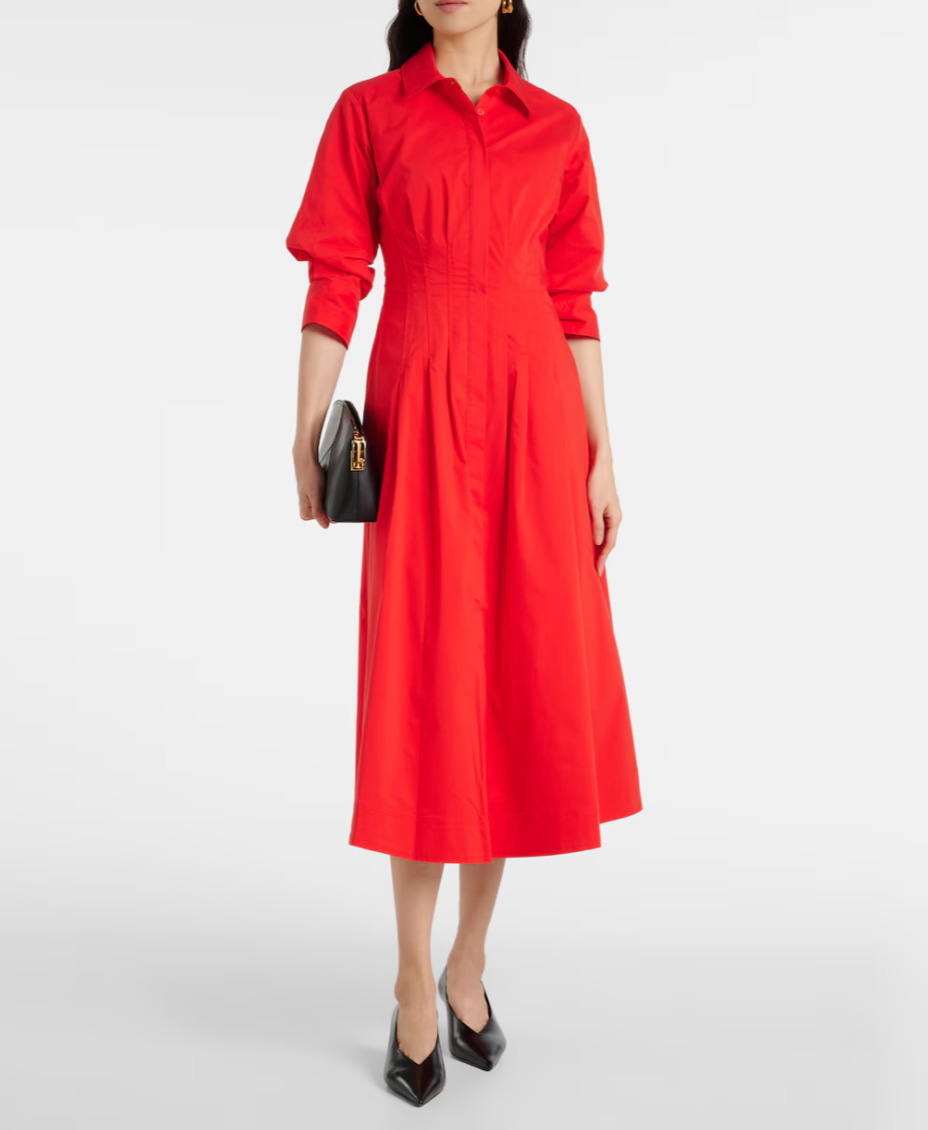
This is one of the few dresses I personally own, and many of my clients do too. And I can tell you firsthand: it’s the cotton-polyester blend that gives it its drama.
If this were 100% cotton, it wouldn’t have the same slight sheen, nor the structure or drape that makes it so striking. The added polyester helps the dress hold its shape and gives it that elevated finish.
Simkhai makes this silhouette in new colors every season, so you can often catch past versions on sale when fresh ones drop.
Try it and you’ll notice the difference. This isn’t your average throw-on dress, and the price point reflects that, not the fabric content. I consider construction a form of craftsmanship. It doesn’t have to be hand-embroidered to be beautifully made.
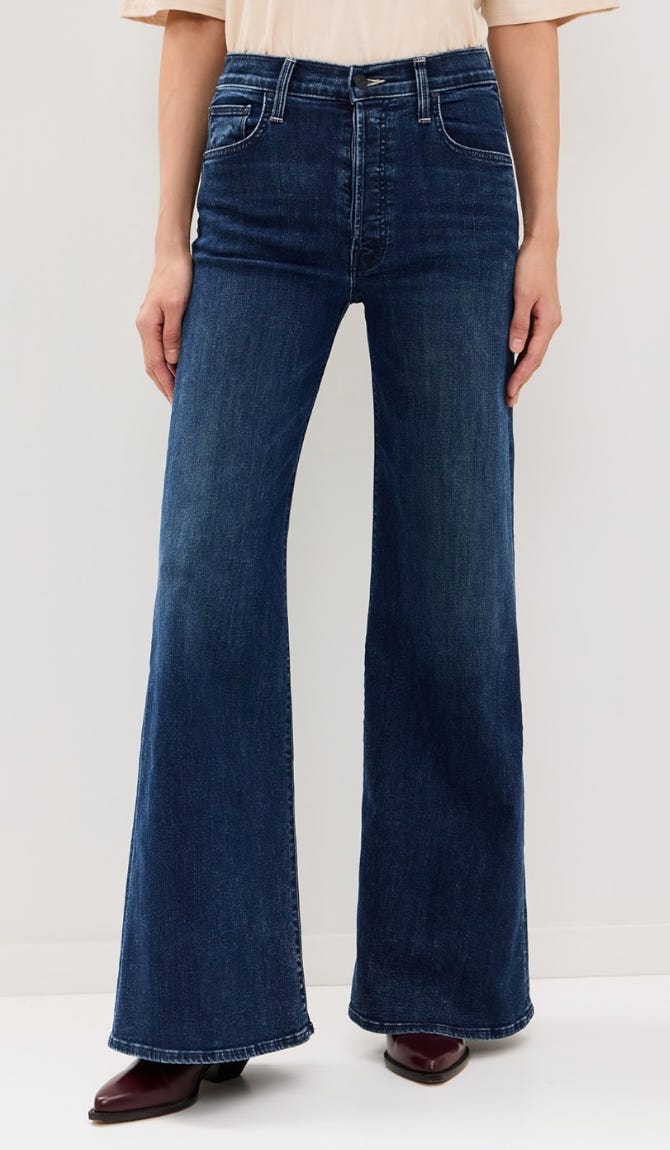
This might be a bit of a Singapore-specific problem, but I constantly hear people say they can’t wear jeans because of the heat. More often than not, it’s because their version of denim is that thick, stiff, 100% cotton kind — which, listen, I love in any country. But I also get it.
Once clients try denim with a bit of give, like this pair with 5% polyester and 1% elastane, they finally understand the difference. That small blend adds stretch (read: comfortable) and lightness (read: less heat-trapping).
And that’s the point: if a fabric mix means you’ll actually wear a piece you love, then that polyester isn’t a problem. It’s a solution.
At the end of the day, I’m not here to convince you that polyester is good. I’m here to remind you that fabric content alone isn’t the full story. Just like we wouldn’t judge a book by its cover, we shouldn’t judge a garment by its tag. When you are shopping for yourself, you can’t use fabric content as the sole indicator of sustainability or quality.
If something looks amazing, holds up through your day-to-day, and makes you feel like the elevated version of yourself, why does it need to be 100% organic cotton to count as “good”? How many natural fiber items do you own that is making your overall wardrobe feel all “same-same-but-different?”
The real problem isn’t polyester. It’s buying (or not buying) with the one-liners we’ve learned on Instagram in our heads that’s the real problem.
So the next time you catch yourself judging a piece solely because it’s synthetic, ask:
Does it work for you? Will you wear it? Does it serve a purpose in your actual life?
If yes: buy it and wear it proudly. Every wear you get out of it is arguably more sustainable than a cotton dress that sits unworn.
Last note: If you’ve found value in this, I’d really appreciate you subscribing to Re:Defined. This one was free, but the small subscription fee helps me keep writing thoughtful, no-fluff articles like this that hopefully can change your perspective outside of social media on fashion. You can even gift one and share a subscription with your friends.
Thank you for reading.
Sera The Reoutfitter